ICE FISHING
WISCONSIN
When the lakes freeze over, we don’t stop — we drill holes. Wisconsin winters hand us a second season: sturgeon on Winnebago, walleye on the inland lakes, and panfish that bite when nothing else will.
Lake sturgeon. The Winnebago system hosts one of the only regulated lake sturgeon spearing seasons anywhere — a February tradition unlike anything else in freshwater fishing. It’s equal parts hunt, heritage, and patience.
Walleye. Low light is the rule. First ice and last ice, mornings and evenings, jigging spoons and minnows over structure you mapped in the fall.
Panfish. Bluegill, crappie, and perch keep rods bent all winter. Small jigs, light line, and a willingness to move until you find them.
Northern pike. Tip-ups and big shiners over weed edges. Few things beat a flag popping on a still, cold morning.
SPEARING SEASON
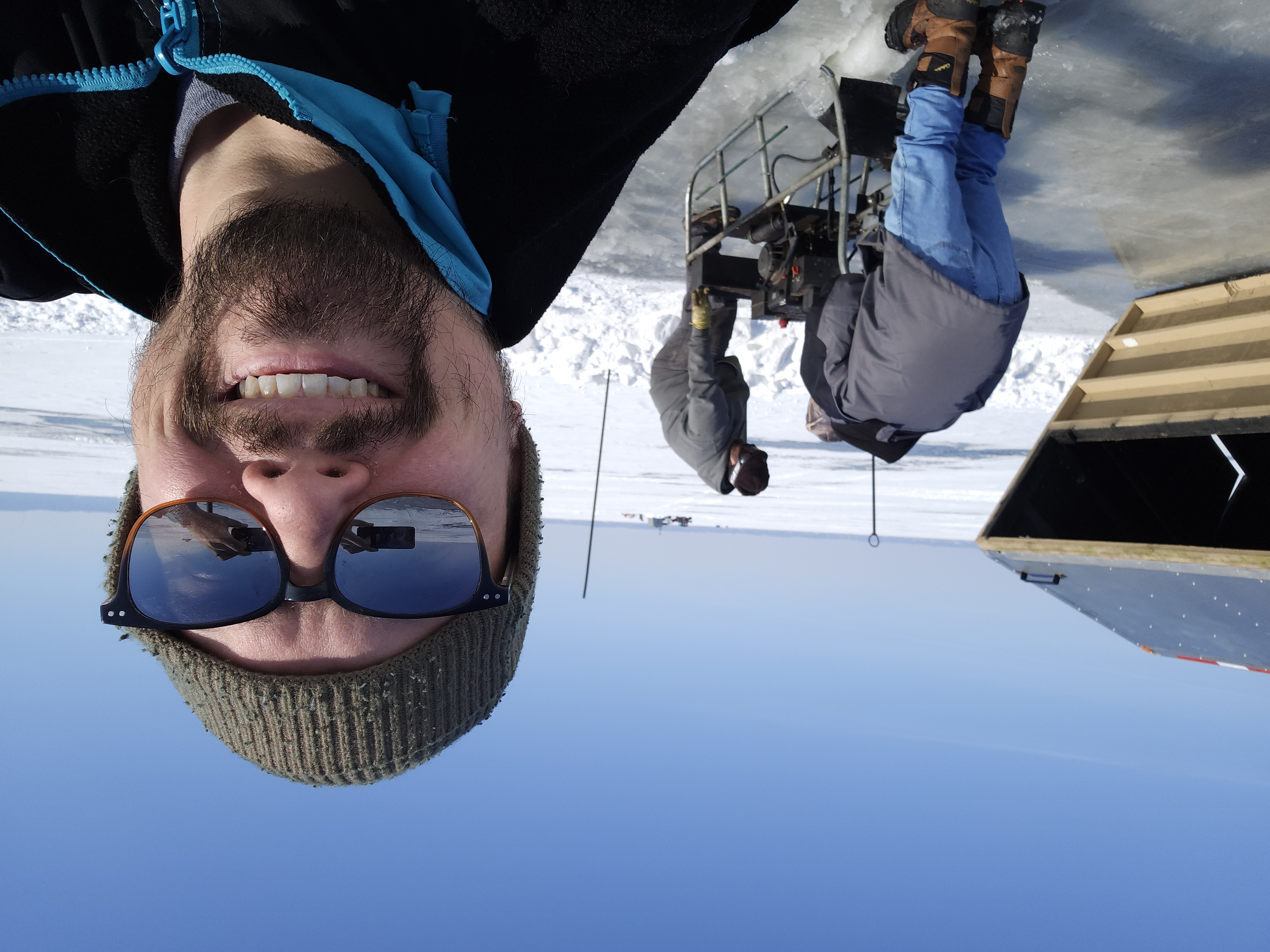
Every February, Lake Winnebago hosts something you can’t find anywhere else: a regulated lake sturgeon spearing season. Anglers set dark houses over clear water, cut a hole the size of a doorway, and stare into the depths — sometimes for days — waiting for a shadow the size of a person to glide through.
When it comes, it’s one throw. Tags are limited, the rules are strict, and the tradition runs generations deep in the families that do it. We’ve filmed it, and we’ll keep filming it. It’s the most Wisconsin thing we do.
Spearing requires a sturgeon tag and follows a strict set of WDNR rules — check the current regulations before you go.
Two rods, usually: one jigging, one deadstick. Tip-ups spread around the shanty for pike and walleye. Electronics matter more through the ice than anywhere else — our Garmin Striker 4 earns its keep every trip, showing fish, depth, and exactly where your jig sits in the water column.
On the bitter days, a flip-over shelter turns a miserable outing into a comfortable one. On the good days, we fish outside and watch the hole.
Walleye. Fish the edges of light — first ice and last ice, an hour on either side of sunrise and sunset. Jigging spoons tipped with a minnow head over 8–15 feet near structure you marked in the fall. What worked: when the jig bite goes soft, set one rod as a deadstick — plain hook and shiner just off bottom — and keep jigging the other hole.
Panfish & perch. Keep moving. Drill a grid, fish each hole five minutes, and don’t get sentimental about a dead one. Small tungsten jigs, light line, a sensitive rod tip. Perch school by size — when you find big ones, stay put; when it’s all dinks, keep drilling. What worked: downsizing the jig when the marks won’t commit.
Northern pike. Tip-ups over weed edges in 6–12 feet. Big shiners on a quick-strike rig, a foot or two off bottom. Spread them across the flat and let them hunt. What worked: fresh bait — a lively shiner catches fish, a dead one catches nothing.
Everything that goes on the sled, every trip:
- Auger — with sharp blades
- Shelter or windbreak
- Two rods per angler: one jigging, one deadstick
- Tip-ups, leaders, and live bait
- Electronics — and a charged battery
- Ice picks, worn around your neck
- Spud bar for checking ice as you go
- A buddy, and a plan someone at home knows
No fish is worth thin ice. We check every trip, and you should too.
General guidelines: about 4 inches of solid, clear ice for walking; 5–7 for a snowmobile or ATV; 8–12 for a car or truck. Those are guidelines — ice is never uniform, and springs, current, and pressure cracks change everything.
Carry ice picks. Fish with a buddy. Tell someone where you’re going and when you’ll be back. And if something feels wrong about the ice, trust that feeling and walk off.
Every hard-water trip gets written up — date, lake, ice thickness, what bit and what didn’t. The honest record, including the skunks.
Our winter episodes — sturgeon camp, first-ice walleye, and the coldest mornings of the year.